
Subtotal ₹ 0
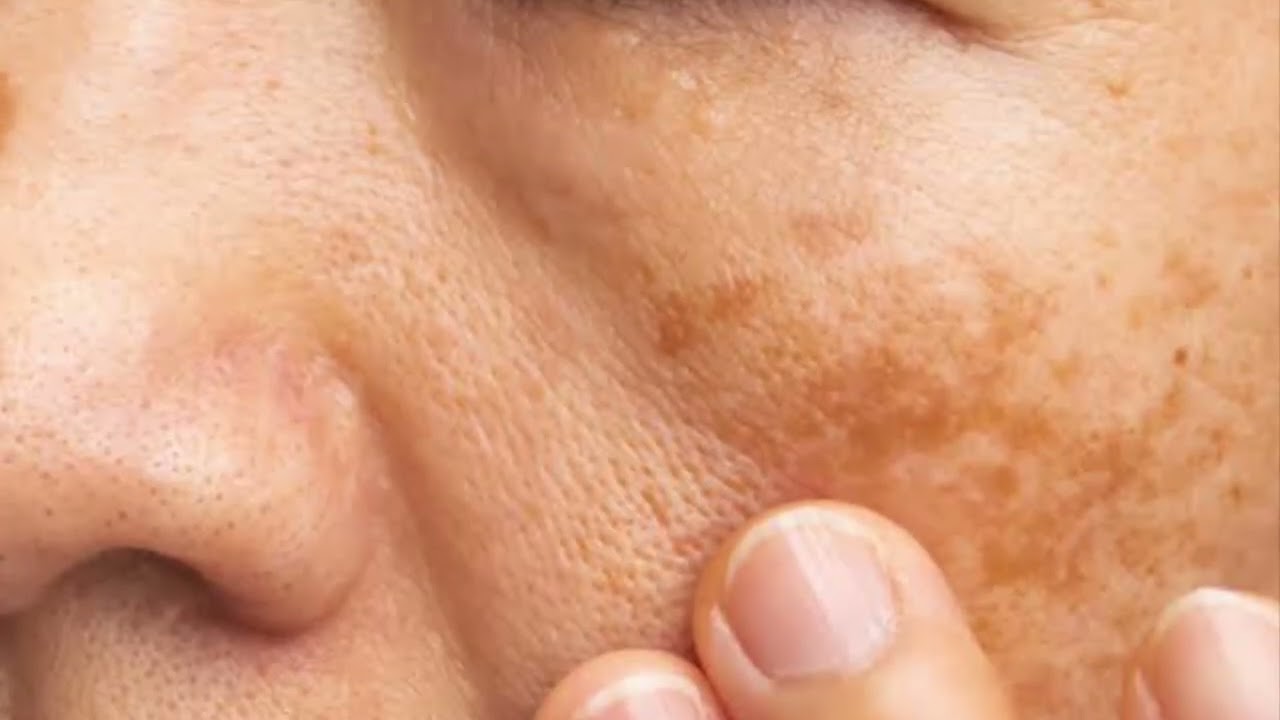
Sunlight plays a vital role in human health, supporting vitamin D production and regulating circadian rhythms. But too much exposure to ultraviolet (UV) light is also thought to be one of the leading causes of pigmentary disorders in the skin. Every time a person spends a long time in the sun without adequate protection, quite a few of them end up with dark spots, uneven tone, or splotches on their skin. Understanding how sun exposure leads to pigmentation helps in both prevention and effective treatment.
What Is Skin Pigmentation?
Human skin is variably pigmented; this color is mainly determined by melanin, a natural pigment secreted by specialized cells called melanocytes. This augmented melanin synthesis is manifested as tan or darkening of the skin.
Keep in mind that pigmentation is the result of melanin being produced unevenly or too much in certain areas of the skin; that´s why you end up with dark spots or patches.
How Sunlight Triggers Pigment Production?
Ultraviolet A (UVA) and ultraviolet B (UVB) rays are present in sunlight, and they have varying effects on pigmentation.
The UVB rays influence the epidermal layers of the skin mostly and cause melanocytes to synthesize new melanin.
The rays of UVA go deeper into the skin and oxidize available melanin. Free radicals are also produced by UV radiation, and they destroy skin cells and unnaturally trigger melanocytes.
This, in the long run, results in the permanency of pigmentation, like dark spots or uneven coloring.
Types of Pigmentation Caused by Sun Exposure
The conditions of different pigmentations may occur as a result of chronic sun exposure:
-
Sunspots (solar lentigines)
These constitute flat and brown spots that develop on sun-exposed parts of the body, such as the face, hands, shoulders, and arms.
-
Freckles
Freckles are dark brown spots that are small and change to light brown with exposure to sunlight. They are inherited genetically, though darkening as a result of UV-induced melanin synthesis.
-
Melasma
Melasma is a larger area of patchy pigmentation most commonly found on the cheeks, forehead, and upper lip. Sun exposure is a major trigger, particularly in people whose hormones are affected by pregnancy or taking contraceptives.
-
Post-inflammatory hyperpigmentation (PIH)
Pigmentation left due to acne, burns, or skin irritation may be aggravated by UV exposure.
Why Some Skin Types Pigment More Easily?
Those with medium and darker skin colors possess more active melanocytes and contain more melanin in their baseline. Although this provides a natural protection from UV to some level, it also enhances the risks of hyperpigmentation when melanocytes are overstimulated.
Excessive production of melanin in the healing process can cause dark spots when the skin is aggravated by acne, cosmetic application, or rough products, which leads to sun exposure.
Role of Chronic Sun Exposure
Exposure daily with no protection: even short durations, e.g., commuting, walking outside, or sitting near the window, cumulate over time, causing UV damage. In contrast to sunburn, which is not chronic, pigmentation indicates chronic stimulation of melanocytes. UVA rays pass through the glass and even the clouds, meaning that pigmentation may be aggravated even without the sun.
The pigmented cells stay on the surface longer, and therefore, spots are darker and more enduring.
Prevention of Sun-Induced Pigmentation
Regular sun protection decreases the melanocyte stimulation and contributes to even skin coloration. It is necessary to use a daily broad-spectrum sunscreen that would protect against both UVA and UVB rays. Protective clothing and hats, as well as protection by avoiding peak sunlight hours, further minimize exposure. Sunscreen should be reapplied continuously during the day, especially in sunny climates.
Direct sun should also be avoided to prevent post-inflammatory pigmentation by avoiding direct sun after skin treatments or during the healing phases.
Can Sun-Induced Pigmentation Be Reversed?
Certain pigmentation also disappears with little or no sun exposure, and renewal of the skin goes on. Nevertheless, deeper and more permanent pigmentation can remain. Therapy is normally aimed at controlling the production of melanin and hastening the elimination of pigmented cells.
Protecting against the sun is also essential both during and after the treatment in order to avoid relapse.
Long-Term Impact of Sun Exposure on Skin Tone
Excessive sun exposure does not just form isolated patches, but it may, over time, change the overall skin complexion. The skin tone can be dull, patchy, or uneven due to the irregular distribution of melanin. With age, the build-up of UV damage increases pigmentation resistance to fading.
This practice emphasizes the need to apply early prevention. The pigmentation can appear later in even people who do not have visible spots, in case of sun protection disregard.
One of the major causes of skin pigmentation is sun exposure since it directly triggers the melanin synthesis and disturbs its uniform distribution. Both the UVA and the UVB light stimulate melanocytes, and with repeated exposures, dark spots, patches, and uneven tone are permanent.
The UV exposure can be minimized, and healthier skin rejuvenation in the long-term can be achieved by maintaining a clearer and even complexion.